THE PRACTICAL EDIT · SOUTHERN CALIFORNIA
The Southern California Go Bag,
Updated for Real Life in 2026
What to pack when leaving means smoke, a power outage, two anxious dogs, and a phone that suddenly has a very important job.
Picture the moment you actually need your evacuation bag. It is dark. You are looking for your glasses. Someone cannot find a shoe. The dog has interpreted the household activity as an invitation to play.
This is the moment your emergency supplies need to work.
For Southern California households, a useful go bag should help you leave quickly and manage the first few days away. That means accounting for wildfire smoke, interrupted electricity, medications, children, pets, and a daily life increasingly stored behind a phone screen.
And keep it ready beyond fire weather. In October 2025, Orange County ordered evacuations in parts of Trabuco Creek, Bell Canyon, and Hot Springs Canyon because of possible debris flows near the Airport Fire burn scar. A local evacuation can begin with a rain forecast. Orange County’s October 2025 notice
A backpack, plus a bin you can lift
Start with a backpack you can comfortably carry. Beside it, keep a manageable bin for heavier supplies. CAL FIRE recommends this approach, with food and water in a wheeled container if helpful. Its water target is three gallons per person for three days. For a family of four, that is roughly 100 pounds of water—before anyone adds a granola bar. Put drinking water in each bag, stage the larger supply for transport, and never delay an urgent departure to finish loading. CAL FIRE’s go-bag guidance
The backpack’s basic contents should include:
- Drinking water and familiar, ready-to-eat food.
- A flashlight or headlamp, spare batteries, and a small battery-powered radio.
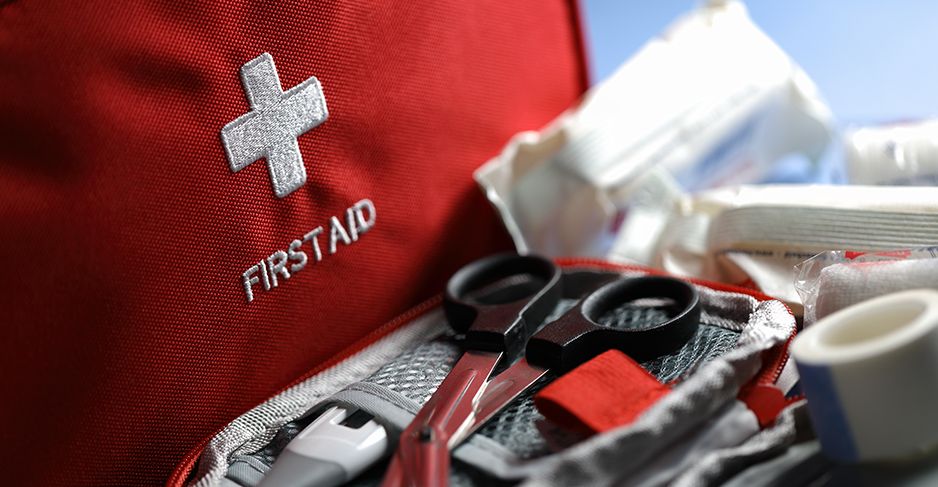
- A first-aid kit, toiletries, wipes, menstrual supplies, and waste bags.
- A change of clothes, extra socks, a warm layer, and spare glasses.
- Copies of essential documents, emergency contacts, cash, and spare keys.
Keep sturdy shoes accessible, including beside your bed for a nighttime departure. These basics appear on official emergency checklists. The value comes from adapting them to the people who will actually use them. Crackers your child reliably eats are more useful than an unfamiliar emergency ration discovered during an already difficult evening. American Red Cross supply checklist
Give medications their own place near the top
The Red Cross recommends a seven-day supply. Work with your pharmacist on what you can keep available, and include the supplies needed to take or administer it. Add a printed list of medication names, strengths, doses, allergies, and pharmacy details.
Anything refrigerated needs a specific transport plan. Keep a cooler available and follow that medication’s storage instructions; do not assume every injectable tolerates the same temperatures. A bag left permanently in a hot Southern California trunk is a poor home for temperature-sensitive medicine. FDA medication preparedness guidance
For items you use daily, attach a short “grab before leaving” card to the bag: medication pouch, refrigerated medicine, hearing aids, phone, wallet. Make the list specific enough that another adult could follow it.
Pack for smoke with the right equipment
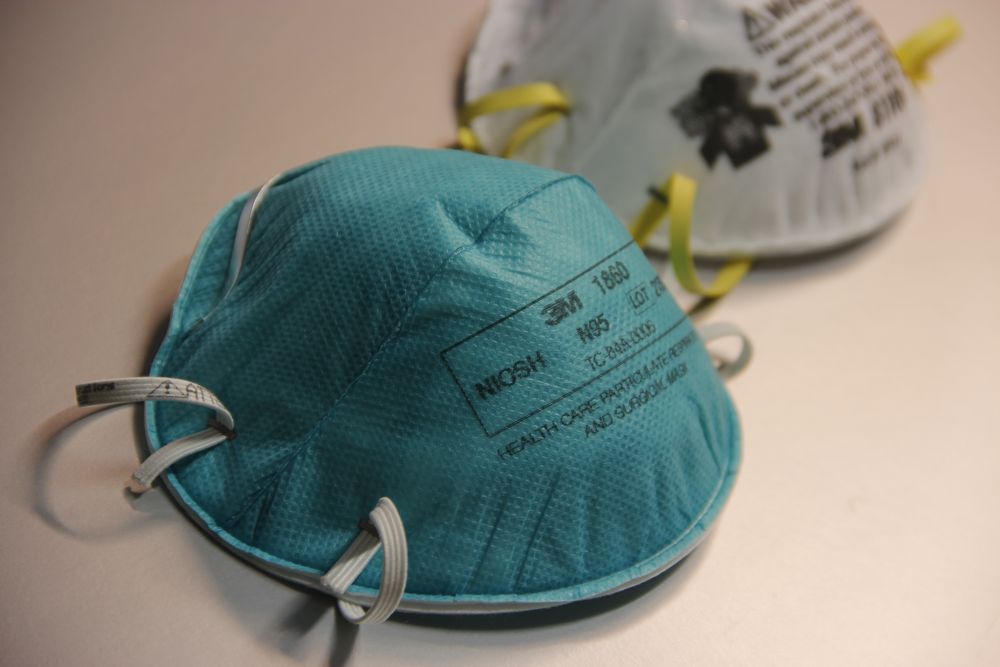
Include several NIOSH-approved N95 respirators that fit the adults who will wear them. A good seal matters. These respirators reduce exposure to particles; they do not protect against all gases or make it safe to remain in a dangerous area. AirNow’s wildfire smoke guidance
Children need particular attention. An adult respirator hanging loosely on a small face offers unreliable protection. CDC notes that suitable sizes are unavailable for very young children and that fit is essential. Prioritize getting children to cleaner air rather than relying on a mask to solve the problem. CDC guidance for children
Build in a way to function when your phone cannot
In 2026, a dead battery can mean losing your map, payment method, contacts, insurance information, and access to your car at once.
Pack a charged power bank, the correct cables, a wall plug, and a vehicle charger. Keep a physical car key or backup key card if your vehicle supports one, and test it beforehand. Carry a payment card and some small bills. Put essential phone numbers, insurance policy numbers, and a family meeting place on paper. Download a local map in advance, while remembering that an offline map cannot show fresh road closures.
For Ladera Ranch households, study more than your usual route to the freeway. Identify alternatives before an emergency, then follow official evacuation directions when one happens. Familiarity with Crown Valley or Antonio Parkway does not establish which road will be safe that day.
Prepare the car along with the bag
Southern California Edison recommends maintaining at least half a tank of fuel or half a charge in one vehicle and knowing how to open automatic garage doors and gates manually. Practice that procedure while the power is on. Public Safety Power Shutoffs can interrupt electricity during dangerous fire weather, so an EV charging plan and a garage-door plan belong in the same conversation. SCE preparedness guidance · SCE power shutoff information
Give pets a ready-to-move kit
Have carriers accessible, with a leash or harness for each animal, bowls, food, water, medication, waste supplies, vaccination records, and identification information. OC Animal Care recommends preparing at least a week of food and water. Stage the bulky supplies beside the family bin.
A carrier buried behind holiday decorations is still a task waiting to happen. Practice getting animals into it, and identify a destination that can accommodate them. Check current emergency announcements for available animal sheltering. OC Animal Care’s evacuation checklist
For children, add a small comfort item, headphones if helpful, and an activity that works without Wi-Fi. Keep their bags light. Adults should carry essential medication and documents.
Know when to go
Finally, connect the bag to a departure plan. Register for AlertOC, look up your evacuation zone through the Orange County Sheriff’s preparedness page, and make sure other caregivers know both. An evacuation warning is the time to prepare; people needing additional time, including those with certain medical needs or large animals, should use it as a signal to leave. An evacuation order means leave immediately.
An earthquake requires a different first response: during shaking, drop, cover, and hold on. Do not run for the bag. USGS earthquake guidance
Then give your setup one ordinary, unhurried rehearsal. Lift the bags. Find the medication pouch. Test the charger. Locate the carriers. Check whether those spare shoes still fit.
Discover the missing cable on a quiet Sunday, when finding it is the only thing you have to do.


Be the first to comment.